Can a Reciprocating Saw Cut Concrete?
A reciprocating saw can cut some concrete with a carbide-grit or diamond-grit blade made for masonry, but it's slow and best for small, controlled cuts. For long or deep cuts, use a masonry saw suited to the job.
On this page (7 sections)
A reciprocating saw can cut some concrete with a masonry-rated carbide-grit or diamond-grit blade, but it works slowly and suits small, controlled cuts best. For a long, deep, or straight cut, use a masonry saw designed for the job.
A standard wood or metal blade won't do the job. The blade needs abrasive grit made for masonry, and the concrete must be accessible enough to keep the blade from binding.
Can a reciprocating saw cut concrete?
Yes, with a blade made for concrete or masonry. Carbide-grit and diamond-grit blades abrade the material instead of cutting it with ordinary teeth.
Expect slower progress than with a masonry saw. A reciprocating saw makes the most sense for a short cut, a small opening, or a spot where a larger saw won't fit.
The blade must reach the full depth you need, and the saw maker must allow the intended use.
Check both manuals before starting. Don't assume that a blade that fits the saw is approved for concrete.
For a clearer view of what this tool can do, read what a reciprocating saw is good for. Concrete is a more demanding job than the wood, pipe, and demolition cuts commonly handled with standard blades.
Which blade should you use for concrete?
Use a carbide-grit or diamond-grit blade labeled for masonry or concrete. The blade package should identify the material and the type of work it suits.
A regular wood blade relies on teeth that can wear quickly against concrete. A metal blade is built for metal, so it also isn't a substitute for a masonry blade.
Blade length and cutting depth matter. Choose a blade that can reach through the material without forcing the saw, and keep the blade stable during the cut.
Our guide to which reciprocating saw blade to use explains how to match blade types to materials. Follow the blade maker's limits, especially if the cut includes embedded metal.
Can a concrete blade cut through rebar?
A masonry grit blade is intended to abrade concrete, not to cut every material hidden inside it. If the blade reaches rebar or other metal, stop and use a blade rated for that material only if the tool and job allow a safe change.
Don't keep pressing a masonry blade against rebar. It can wear the blade and make the cut harder to control.
When does a reciprocating saw make sense for concrete?
A reciprocating saw makes sense when the cut is small, access is tight, and a slower pace is acceptable. It may also help with a limited cut during repair work, provided the blade and tool are approved for the material.
It is a poor fit for a long straight edge, a thick slab, or repeated cuts. Those jobs need a tool that can handle masonry over a wider area and keep the cut more consistent.
Before choosing the saw, consider the concrete's thickness, whether it contains reinforcement, and what sits behind or beside the cut. If you can't confirm what's in the cut path, pause and get appropriate guidance.
For general tool handling, see how to properly use a reciprocating saw. Secure the work and follow the saw manual's instructions for blade changes and operation.
What should you know about these saws for a small cut?
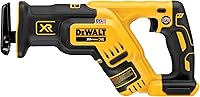
The Skil SPT44-10 and Makita JR3070CT are corded 15 amp reciprocating saws with variable speed controls. The Milwaukee M18 FUEL Sawzall is a battery powered bare tool with a built-in LED light, so it requires a compatible battery and charger.
These features may help you choose a saw for a small job, but they don't make any of these saws a concrete saw. Use one for masonry only if its manual permits the application and you fit a blade designed for the material.
A cordless saw may be useful where a cord would get in the way, but the Milwaukee is sold as a bare tool. Check your battery and charger setup before planning the work.
How can you reduce dust and keep the cut controlled?
Keep the cut small, the work secure, and the blade moving without forcing it. Concrete cutting can create fine dust, so use respiratory and eye protection suited to the material and tool.
Check the tool and blade instructions for dust control and any limits on wet cutting. Don't add water unless both manufacturers allow that method and you can keep water away from electrical parts.
Keep bystanders out of the work area and avoid cutting overhead. Stop if the blade binds, the saw shifts, or you uncover a material the blade isn't rated to cut.
Never cut into a wall, floor, or slab until you know what may be behind or inside it. Hidden wiring, plumbing, and reinforcement can change the tool choice and the safe cutting method.
Should you choose another tool?
Choose a masonry saw for longer, deeper, or straighter cuts. It is designed around masonry work and is usually more practical when you need a clean path through a large section.
A reciprocating saw is an option for limited access and small cuts, not a replacement for a masonry saw on substantial work. The right choice depends on the material, cut depth, and access.
If your job is grout rather than concrete, an oscillating tool with a grout blade may be a better fit. See oscillating tools for grout removal for that task, or read can an oscillating tool cut tile before working on tile.
What is the practical answer?
A reciprocating saw can cut concrete when you use a masonry-rated carbide-grit or diamond-grit blade, but the method is slow and best kept to small cuts. For larger work, choose a masonry saw; for any job, follow the tool and blade instructions and plan for dust control.
If you're comparing cuts through other materials, see reciprocating saws for cutting metal or how to cut PVC pipe with a reciprocating saw.
Frequently asked questions
What blade cuts concrete with a reciprocating saw?
Use a carbide-grit or diamond-grit reciprocating-saw blade that its maker labels for masonry or concrete. A regular wood or metal blade won't cut concrete effectively.
Check the blade's material limits and the saw manual, then keep the cut small and shallow enough to control.
Can a reciprocating saw cut a concrete block?
It may cut a concrete block with a masonry-rated carbide or diamond blade, but expect slow progress and dust. Check that the blade's cutting depth suits the block, secure the work, and avoid cutting near wiring or plumbing.
A masonry saw is usually more practical for repeated or long cuts.
Is a reciprocating saw good for cutting concrete?
A reciprocating saw can handle a small concrete cut with the right grit blade, but it isn't a good choice for a long, straight, or deep cut. A tool designed for masonry is usually easier to control for larger work.
Use eye, hearing, and respiratory protection suited to the tool and material.
Can an oscillating tool cut concrete?
Some oscillating tools accept carbide-grit or diamond-grit blades for grout or limited masonry work, but they remove material slowly and cover a small area. Check the tool and blade manuals for approved materials.
For a larger concrete cut, choose a masonry saw intended for that cut.