Matchups and Reviews
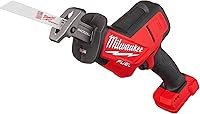
Milwaukee M12 Hackzall vs M18 Hackzall
Milwaukee M12 Hackzall vs M18 Hackzall explained through control, cutting speed, stroke length, vibration and daily job fit.
We sort reciprocating saws and oscillating multi-tools from Milwaukee, DeWalt, Makita, Ryobi and Dremel by the work they do: tear-outs, pipe, branches, grout and trim. Pick by tool type, by the job or by the two models you're stuck between.
Milwaukee M12 Hackzall vs M18 Hackzall explained through control, cutting speed, stroke length, vibration and daily job fit.

How to cut exhaust pipe with a Sawzall: mark the pipe, clamp it steady, pick a metal blade, and cut slowly with light pressure for a clean square end.
Do Milwaukee Sawzall blades fit a Hackzall? Yes, Milwaukee makes both in the same blade interface, so most Sawzall blades lock into a Hackzall. Here's what to check.
Will a sawzall cut 1/4 steel? Yes, with a metal-cutting blade and some patience. Here is how to set up, cut and avoid damaging the blade.

Learn how to change the blade on a Ryobi Sawzall: release the tool-free clamp, seat the blade teeth down, lock it, and check it before you cut.

Yes, a reciprocating saw can cut metal with the right blade. Here's how blade choice, thickness, and technique decide whether a cut works.
Learn how to change a blade on a Milwaukee Sawzall: release the clamp, seat the blade teeth down, and tighten it before you cut. Plus blade picks for the job.
Can a reciprocating saw cut tree branches? Yes, with a coarse pruning blade. Here is how to size branches, pick a blade and cut cleanly and safely.
A reciprocating saw cuts at 90 degrees to the blade by default, while pivoting-head models reach 45 degrees or more in stepped positions.