DeWalt DCS387B vs DCS369B Recip Saw: Which Is Better? (November 2026)
The DeWalt DCS369B wins overall for lighter one-handed work, while the DCS387B is better for maximum stroke and 4-position blade access. Choose by handling, cutting position and the type of access you need.
On this page (10 sections)
- DeWalt DCS387B vs DCS369B: which one wins overall?
- How do the two saws compare side by side?
- Which saw is easier to control in tight spaces?
- Which model gives you more cutting reach?
- Why does the DCS387B blade clamp matter?
- Who should buy the DeWalt DCS369B?
- Who should buy the DeWalt DCS387B?
- How should you choose between compact size and blade access?
- What setup and care apply to both saws?
- DeWalt DCS387B vs DCS369B: which should you buy?
The DeWalt DCS387B vs DCS369B choice is clear: the DCS369B wins overall for lighter one-handed work, while the DCS387B is the better pick for a longer stroke and flexible blade positions. Both are cordless DeWalt reciprocating saws with variable speed, LED lighting and pivoting shoes.
The DCS369B is the compact Atomic model. It measures 12.5 in front to back and weighs 3.13 lb, making it the easier tool to carry and guide during repeated short cuts.
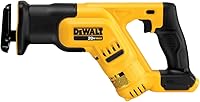
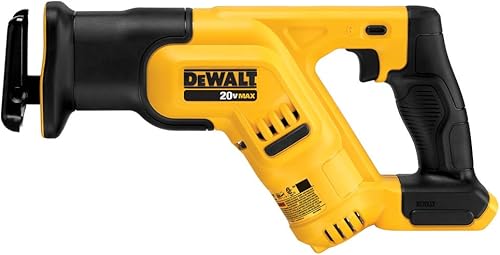
The DCS387B is a compact model built around a 1-1/8 in stroke and a top speed of 2,900 strokes per minute. Its 4-position blade clamp adds cutting-position flexibility, especially for flush cuts and work between studs.

DeWalt DCS387B vs DCS369B: which one wins overall?
The DCS369B is the overall winner for most people because its shorter body and lower weight make control easier. Its brushless motor, one-handed design, pivoting shoe, LED and variable-speed trigger give it a strong mix for general compact reciprocating-saw work.
The DCS387B remains the better choice when stroke length and blade position matter more than carrying weight. Its 1-1/8 in stroke, 0–2,900 spm range and 4-position blade clamp give it a more cutting-focused setup.
That does not make the DCS369B a light-duty substitute. Its 12.5 in front-to-back length, brushless motor and up to 2,800 spm make it well suited to tight access and controlled cuts.
Choose the DCS369B for the more manageable tool. Choose the DCS387B when the blade clamp and longer stroke are the reason you are comparing these models.
How do the two saws compare side by side?
The DCS369B is shorter and lighter, while the DCS387B has the longer stroke and higher top speed. The table shows the differences that matter most during selection.
| Feature | DeWalt DCS369B Atomic Recip Saw | DeWalt DCS387B Compact Recip Saw |
|---|---|---|
| Front-to-back or total length | 12.5 in front to back | 14 in total length |
| Weight | 3.13 lb | 2.25 kg |
| Motor | Brushless | Not stated in the product data |
| Maximum speed | Up to 2,800 spm | 0–2,900 spm |
| Stroke length | Not stated in the product data | 1-1/8 in |
| Blade access | Tool-free blade release | 4-position tool-free blade clamp |
| Shoe | Pivoting | Pivoting |
| Lighting | LED | LED |
| Included items | 2 blades and 1 belt hook | DCS387 20V MAX Compact Reciprocating Saw |
The weight entries use the units supplied for each model. The DCS369B data gives 3.13 lb, while the DCS387B data gives 2.25 kg, so the listed figures should not be treated as a direct same-unit measurement.
The DCS369B also has a stated advantage in its brushless motor and compact front-to-back size. The DCS387B answers with a longer stroke and a blade clamp that works in 4 positions.
Which saw is easier to control in tight spaces?
The DCS369B is the better fit for tight spaces because its front-to-back length is 12.5 in. A shorter body gives you less tool length to place between the handle, the work area and nearby obstacles.
Its one-handed design also supports a compact grip position. That matters when you need to guide the saw with one hand while keeping your other hand clear of the cutting area and surrounding material.
The pivoting shoe provides more points of contact than a fixed shoe. Pressing the shoe against the work can help keep the tool positioned as the blade moves, while the variable-speed trigger lets you start at a controlled pace.
The LED helps illuminate dark work spaces. It does not replace safe work lighting, but it puts light near the cut when the surrounding area is shaded.
The DCS387B is still described as compact and suited to cuts between studs. Its 14 in total length works well when the available opening is wide enough for the tool, but the DCS369B has the clear size advantage.
If your main concern is reaching into a cramped opening, choose the DCS369B. The DeWalt Atomic vs XR comparison is useful if you are also weighing other DeWalt reciprocating-saw sizes.
Which model gives you more cutting reach?
The DCS387B wins on stroke length because it has a 1-1/8 in stroke. Stroke length describes how far the blade travels during each reciprocating cycle, so this specification is central to how the saw moves through a cut.
The DCS369B data gives its maximum speed and control features but does not give a stroke-length figure. That leaves the DCS387B as the clear choice when a stated 1-1/8 in stroke is part of your buying decision.
A longer stroke does not remove the need for the right blade and steady contact. Match the blade to the material and start with the variable-speed trigger under control rather than pulling full speed immediately.
The DCS387B reaches up to 2,900 spm. The DCS369B reaches up to 2,800 spm, so the DCS387B has the higher stated top speed by 100 strokes per minute.
That difference is smaller than the handling gap between a 14 in saw and a 12.5 in saw. Pick the DCS387B for the combined stroke and speed package, not for the top-speed number alone.
Why does the DCS387B blade clamp matter?
The DCS387B is the better pick when blade position is part of the job because its clamp has 4 positions. Those positions support flush cutting and give you more ways to orient the blade in a confined area.
A 4-position clamp can change how the saw approaches a surface. Instead of holding the whole tool at one angle for every cut, you can choose a blade position that better matches the material and the available space.
The clamp also uses tool-free blade changes. That keeps the changeover focused on the blade rather than a separate tool, which is useful when a job moves between different cuts.
The DCS369B has a tool-free blade release for quick and easy blade changes. It gives you convenient blade access, but the DCS387B has the stronger advantage when the blade needs multiple positions.
Think about the cuts you make most often. If you trim close to a surface or work between framing members, the DCS387B's clamp is a practical reason to choose it.
For a broader comparison of cutting methods, see our guide to reciprocating saw vs hacksaw for pipe and bolts.
Who should buy the DeWalt DCS369B?
Buy the DeWalt DCS369B Atomic Recip Saw if you want the shortest, lightest option with a brushless motor. It suits compact jobs where reaching the cut and holding the tool steadily matter more than a stated stroke length.
The 12.5 in front-to-back size is the key fit advantage. It gives you a shorter tool body for confined work, while the 3.13 lb weight supports less tiring handling than a heavier compact saw.
Its variable-speed trigger helps you control the start of a cut. The pivoting shoe gives more points of contact than a fixed shoe, and the LED helps illuminate dark work spaces.
The DCS369B also includes 2 blades and 1 belt hook. Battery and charger are sold separately, so the complete setup depends on having or adding the required battery and charger.
The brushless motor is another reason to choose this model over the DCS387B when compact control is your priority. The trade-off is that its stated maximum speed is 2,800 spm and its data does not give the DCS387B's 1-1/8 in stroke specification.
Who should buy the DeWalt DCS387B?
Buy the DeWalt DCS387B Compact Recip Saw if you want a 1-1/8 in stroke and 4 blade positions for varied cutting access. It suits users who expect to work between studs, make flush cuts or change blade orientation to fit the job.
Its 14 in total length is still compact for a reciprocating saw, but it is longer than the DCS369B. That makes the DCS387B a better choice when the opening gives you enough room and cutting flexibility matters more than the shortest body.
The 0–2,900 spm variable-speed range gives you speed control from the trigger. Its pivoting shoe provides contact while cutting, and the bright LED helps with visibility in dark work areas.
The DCS387B includes the saw only. Its battery and charger are sold separately, so it makes the most sense for a DeWalt 20V MAX setup that already covers those parts.
The real trade-off is weight and size. The DCS387B data gives a 2.25 kg item weight and 14.75 x 3.5 x 7.5 in item dimensions, while the DCS369B is listed at 3.13 lb and 12.5 in front to back.
How should you choose between compact size and blade access?
Choose the DCS369B for body size and one-handed control; choose the DCS387B for blade position and stroke length. That rule separates the models without treating every cut as the same.
Use the DCS369B when the tool must fit into a shorter opening or when you expect to carry and guide it for many small cuts. Its compact 12.5 in front-to-back length is the strongest match for that work.
Use the DCS387B when you need the blade to sit in different positions. Its 4-position clamp is the feature that most clearly changes how you approach flush cuts and confined cuts.
Both models have a pivoting shoe, variable-speed control and LED lighting. Those shared features make the decision less about basic control and more about which difference affects your work every day.
A reciprocating saw is often chosen for access rather than a perfectly straight cut. If your projects need more guided control, compare the job with a reciprocating saw vs jigsaw for DIY cuts before deciding.
What setup and care apply to both saws?
Set up either saw with the right blade, a charged compatible battery and firm shoe contact before cutting. Keep the work supported, keep hands away from the blade path and use the variable-speed trigger to bring the blade into the material with control.
The DCS369B includes 2 blades, while the DCS387B includes the saw. Blade choice should match the material and the cut, and a worn or damaged blade should not be used.
Use the shoe against the work when the cut allows it. The pivoting shoes on both models can help maintain contact as the tool angle changes, but they do not replace a stable workpiece.
Keep the LED area and blade release clear of debris. Remove the battery before changing a blade, storing the saw or clearing material near the blade path.
Store the saw where the trigger cannot be pressed accidentally. Keep blades protected, and carry the tool by its body rather than by a fitted blade or cord.
These are cordless tools, and the data identifies each as battery powered. Battery and charger are sold separately for both models, so plan the full setup around the required DeWalt battery system.
DeWalt DCS387B vs DCS369B: which should you buy?
Choose the DeWalt DCS369B for the best overall mix of compact size, lower weight, brushless performance and one-handed control. Its 12.5 in front-to-back body makes it the stronger general pick for tight, repeated cutting work.
Choose the DCS387B when its 1-1/8 in stroke and 4-position blade clamp solve a specific cutting problem. The higher 2,900 spm top speed and flush-cut flexibility give it a clear place for users who value blade access over the shortest tool body.
The final choice is simple. Pick the DCS369B for compact handling, or pick the DCS387B when blade position and stroke length are the deciding factors.
For most readers, the DCS369B earns the higher score and the overall win. The DCS387B is the focused alternative for cutting positions and stroke performance, not the better general choice.
Frequently asked questions
Which DeWalt reciprocating saw is smaller, the DCS387B or DCS369B?
The DCS369B is smaller from front to back at 12.5 in. The DCS387B has a 14 in total length, so the DCS369B is the easier fit when tool length matters in a tight work area.
Which model has the faster cutting speed?
The DCS387B reaches 2,900 strokes per minute, while the DCS369B reaches 2,800 strokes per minute. The difference is small, so choose the DCS387B for its higher speed together with its 1-1/8 in stroke.
Does the DCS369B include blades?
Yes. The DeWalt DCS369B includes 2 blades and 1 belt hook.
Its battery and charger are sold separately, so it is intended for users who already have the matching battery setup or plan to add one.
What makes the DCS387B useful for flush cuts?
The DCS387B has a 4-position blade clamp, which gives the blade more placement options for flush cutting and confined work. Its tool-free lever-action clamp also supports quick blade changes.