Reciprocating Saw vs Hacksaw for Pipe and Bolts: Which Is Better? (October 2026)
Use a reciprocating saw for faster cuts on accessible pipe or bolts, and a hacksaw for slower, controlled cuts where you can guide the blade by hand. For either tool, match the blade to the material and secure the work before cutting.
On this page (7 sections)
Use a reciprocating saw for faster cuts on accessible pipe or bolts, and a hacksaw for slower, controlled cuts where you can guide the blade by hand. For either tool, match the blade to the material and secure the work before cutting.
A powered saw can save effort when there are several cuts or the workpiece is awkward to reach. A hacksaw is simpler to position for a small cut when you can hold the frame steady and work at a measured pace.
The better choice depends on access, cut control and what sits near the workpiece. A reciprocating saw can move quickly, but that makes a secure setup and a suitable metal blade especially important.

Reciprocating saw vs hacksaw: which should you choose?
Choose a reciprocating saw for speed and reach, and a hacksaw for direct hand control. The right tool is the one you can keep steady while the blade stays clear of nearby parts.
A reciprocating saw moves its blade back and forth under power. You guide the tool, but the motor supplies the cutting motion.
A hacksaw relies on your arm to move a narrow blade through the material. That takes more effort, yet you can pause and adjust the stroke at any point.
For metal work, the blade matters as much as the saw. Our guide to choosing a reciprocating saw blade explains how to match blade type and tooth spacing to the cut.
Reciprocating saw vs hacksaw for pipe and bolts
A reciprocating saw suits a pipe or bolt that is firmly supported and easy to reach with the tool. Its powered stroke can help when the cut is thick or there are several cuts to make.
A hacksaw can suit a single small bolt or a pipe section where the frame fits and you want to control each stroke. It doesn't need a battery, and it can be easier to stop before the blade reaches a nearby surface.
Neither tool makes a poor setup safe. If the material can shift, clamp it or choose another way to secure it before cutting.
Which tool is easier to control?
A hacksaw gives direct control over each stroke; a reciprocating saw needs a firm grip and a stable contact point. Choose based on your ability to hold the tool and workpiece steady.
A reciprocating saw can buck or jump if the blade catches, especially at the start of a cut. Keep the shoe pressed against a stable surface when the saw design and work position allow it, and begin at a controlled speed.
A hacksaw moves at the pace of your arm. That can make it easier to follow a short mark, but a loose frame or bent blade can still wander.
For power-tool technique, see how to use a reciprocating saw safely. Keep both hands and loose clothing away from the blade path, and follow the saw manual.
When does a hacksaw make more sense?
Use a hacksaw when you need a short, measured cut and have room to move its frame. It can work well for trimming a small bolt or cutting a short piece of pipe at a bench.
The hand stroke also gives you frequent chances to check the cut line. That helps when a nearby fitting, wall or finished surface leaves little room for correction.
A hacksaw is a poor fit if you cannot keep its frame aligned or if the workpiece is too large to support well. For long or repeated cuts, the effort can add up.
When does a reciprocating saw make more sense?
Use a reciprocating saw when the material is awkward to reach, the cut is substantial or you have several cuts to make. A compact model can be easier to position in a narrow work area.
The Milwaukee 2625-20 M18 Hackzall has a one-handed design, compact size, LED light and quick-lock blade clamp. Those features suit tight access, but you still need a secure grip and a stable workpiece.
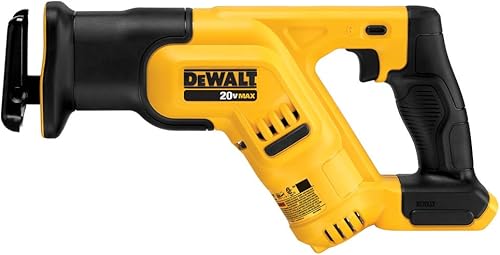
The DeWalt DCS387B Compact Recip Saw has a four-position blade clamp, a variable-speed trigger and an LED. Its blade positions can help when a cut needs a different approach or a flush cut.
How should you cut metal pipe?
Secure the pipe, select a metal-cutting blade and keep the cut clear of the support. The pipe must not roll or sag as the blade breaks through.
Clamp the pipe close enough to the cut to limit vibration, while leaving room for the blade to pass. If the pipe is long, support the section that may fall away so it doesn't pinch the blade or swing down.
Start with light pressure and let the blade do the work. A powered saw can cut quickly, so keep the tool aligned and ease off as the cut nears completion.
For a hacksaw, use steady strokes with the frame aligned to the mark. Avoid twisting the blade to turn a corner, since that can bind or damage it.
Don't cut a pipe until you know what it carries and whether it is safe to open. Water, fuel, gas, refrigerant and electrical lines need the right shutoff or qualified help before work begins.
How should you cut bolts cleanly?
Support the bolt, choose a metal blade and protect the threads you want to keep. The shorter the piece, the more important it is to hold it securely without putting your fingers near the blade.
If the bolt is removable, take it out and clamp it in a vise. Keep the cut line beyond the section of threads you need, then smooth the cut end with an appropriate file after the workpiece is safe to handle.
A hacksaw offers a slow approach for a small bolt. A reciprocating saw can be useful for a bolt in place, but check what lies behind it before the blade starts moving.
Don't use your hand as a clamp. Small metal pieces can heat up, shift or become sharp at the cut edge.
Which blades work for pipe and bolts?
Use a metal-cutting blade with tooth spacing suited to the material thickness. A blade meant for wood can snag or cut poorly on metal.
Thin-wall pipe and small bolts call for a blade with teeth fine enough to engage the material without skipping. Thicker metal may need a different tooth spacing and a more durable blade.
The DeWalt 12-Piece Bi-Metal Blade Set includes metal-cutting options alongside blades for other materials. It's designed for reciprocating saws, so use a separate blade that fits your hacksaw if you choose to cut by hand.
A blade that is dull, bent or missing teeth is harder to control. Replace it with the correct blade type, and follow the saw or blade maker's directions for installation.
What safety steps matter for either saw?
Secure the work, protect your eyes and check what is behind the cut. Metal edges and chips can cause injury, and a moving workpiece can pull the blade off course.
Wear eye protection and gloves suited to the job, while keeping gloves and hands away from moving blades. Follow the tool manual for personal protective equipment and safe operation.
Remove the battery or disconnect power before changing a reciprocating saw blade. Let the blade cool before touching it, and clear chips with a brush rather than your fingers.
Check for hidden wires, pipes and other obstructions before cutting into a wall or assembly. If you can't confirm what lies behind the cut, stop and inspect from another side.
What is the final choice for pipe and bolts?
Pick a reciprocating saw for faster cuts in accessible, well-secured material; pick a hacksaw when a short cut needs a measured hand stroke. The blade, support and clearance decide whether either tool is suitable.
For frequent metal work or awkward access, compare the best reciprocating saws for cutting metal. For one small bolt or pipe cut at a bench, a hacksaw may be all you need.
If the material can move, the cut is near a live service or you can't see behind it, pause and make the work area safe before choosing a saw.
Frequently asked questions
Is a reciprocating saw or hacksaw better for cutting pipe?
A reciprocating saw is usually more convenient for a quick cut when the pipe is accessible and firmly secured. A hacksaw gives you a slower, hand-guided cut that can be easier to control in a small space.
Choose a blade suited to the pipe material, and avoid cutting pipe that can move.
Can a reciprocating saw cut bolts?
Yes, a reciprocating saw can cut a bolt with a blade intended for metal. Secure the bolt, keep the blade clear of nearby surfaces and start slowly so it doesn't jump.
A hacksaw can be a practical choice for a small bolt when you want more control over the cut.
What blade should I use to cut metal with a reciprocating saw?
Use a blade made for metal, with tooth spacing suited to the thickness of the material. A fine-tooth blade is often a better fit for thin metal than a coarse wood blade.
Check the blade package and saw manual, and replace a dull or damaged blade before cutting.
Can I use a reciprocating saw blade in a hacksaw?
Only use a blade made to fit the hacksaw's frame and clamps. Reciprocating saw blades are designed for a powered tool's blade holder, so their length, mounting shape or fit may not suit a hand-saw frame.
Check the tool instructions and blade packaging before installing any blade.
How do I keep a pipe from moving while I cut it?
Support and clamp the pipe so it cannot roll, twist or drop as the cut finishes. Keep the cut area clear and position the support so the blade won't hit it.
Wear eye protection, follow the tool manual and take extra care around pipes that may contain fluid, gas or wiring.