How to Cut PVC Pipe With a Reciprocating Saw
To cut PVC pipe with a reciprocating saw, secure the pipe, use a fine-tooth blade suited to plastic, and let the saw cut at a controlled speed. Keep the shoe supported and steady the offcut so it cannot pinch the blade.
On this page (7 sections)
To cut PVC pipe with a reciprocating saw, secure the pipe, fit a sharp blade suited to plastic, and guide the saw at a controlled speed. Support the saw shoe and steady the offcut so the blade doesn't jump, bind, or tear the edge as it exits.
This tool can help when a pipe is hard to reach or already installed. For short, exposed pipe, a pipe cutter or hacksaw may be easier to control; see our comparison of a reciprocating saw vs a hacksaw for pipe.
How do you cut PVC pipe with a reciprocating saw?
Mark the cut, support the pipe, start slowly, and let the blade do the work. Use eye protection and follow the saw and blade instructions before you begin.
- Confirm the pipe is safe to cut. For plumbing, shut off the water and drain the line; check for hidden wires or other services before cutting.
- Measure and mark the cut. A square or wraparound guide can help you draw a line around the pipe.
- Clamp the pipe or support it on both sides of the cut. Keep the section being removed from sagging or twisting.
- Choose a sharp blade intended for plastic or a fine-tooth blade approved for your saw.
- Rest the shoe against a stable surface if you can, then start the blade at low speed.
- Follow the mark with steady pressure. Stop if the pipe moves, the blade binds, or the cut starts wandering.
- Smooth the edge with a deburring tool or file, and clear away chips before reconnecting the pipe.
Don't force the blade or twist the saw to steer it. A pinched blade can kick or damage the pipe.
Which blade should you use for PVC pipe?
Choose a sharp blade whose teeth and material are suited to plastic. A fine-tooth blade can help control chipping and leave a cleaner edge than a coarse blade made for fast wood cuts.
Check the blade packaging and saw manual for compatibility. Tooth count alone doesn't guarantee a clean cut, because blade design, pipe thickness, support, and cutting speed all matter.
Our guide to which reciprocating saw blade to use explains how blade material and tooth spacing affect different jobs. If a blade chatters, inspect its fit and condition, then change blades if needed.
Can you use a jigsaw blade in a reciprocating saw?
Only if the saw's blade clamp is designed to accept that blade. Reciprocating saws generally use a blade with a compatible shank, so don't assume a jigsaw blade will fit.
The Fanttik R11 Pro is an exception in this product set: its clamp accepts T-shank jigsaw blades up to 1.4 mm thick and 3–4 in long. Check the blade fit and the tool instructions before use.
Fanttik recommends keeping the shoe firmly against the workpiece and starting slowly to reduce blade jump. The maker gives a recommended maximum cutting thickness of 3/4 in, so check that limit against your pipe and setup.
How do you keep the pipe steady and the cut straight?
Support the pipe close to the cut without crushing it. A stable pipe reduces vibration and helps the blade follow the mark.
For loose pipe, use a vise or clamps with padding and enough grip to prevent rolling. Keep the pipe supported on both sides, but leave enough clearance for the blade and the falling offcut.
For installed pipe, secure the pipe where possible and support the piece being removed. If the pipe can move under pressure, stop and improve the support before cutting.
What if the cut is in a tight space?
Use a compact saw only when you can still control the cut and protect nearby surfaces. Limited clearance can make it harder to support the shoe, see the mark, or keep your hands away from the blade.
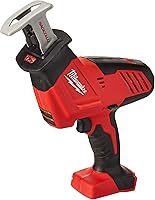
The Milwaukee 2625-20 M18 Hackzall has a one-handed design and a compact form for tight conditions. Keep your other hand clear of the blade path, and don't cut one-handed if the pipe or saw is unstable.
The Hackzall uses a quick-lock blade clamp for tool-free blade changes. Use a blade compatible with the clamp, and follow Milwaukee's instructions for the saw and battery.
How fast should you cut PVC pipe?
Start slowly and increase speed only while the blade stays steady. Excessive speed or pressure can make the blade wander, vibrate, or catch as it breaks through the far wall.
Keep the saw shoe planted when the tool design allows it. Apply steady pressure without pushing hard; if the blade starts to chatter, release the trigger and check the pipe support, blade condition, and fit.
The Ryobi ONE+ 18V saw has variable speed, which can help you adjust the trigger to the cut. Its battery is not included, so confirm you have a compatible battery before choosing it.
For general grip, stance, and trigger guidance, see how to properly use a reciprocating saw. If you're choosing a smaller tool for close access, compare mini reciprocating saws for tight spots.
How do you finish the cut edge?
Remove burrs and loose chips before using the pipe. A deburring tool, file, or suitable abrasive can smooth the rim without changing the pipe's fit.
Check the edge all the way around, inside and out. Keep the tool square to the rim so you don't create a bevel that could affect a joint.
Wipe away plastic chips and follow the pipe maker's instructions for cleaning and joining. Use the correct fitting and joining method for the pipe type and application.
When should you use another tool?
Use a pipe cutter or hacksaw when the pipe is accessible and you want more control over a short cut. A reciprocating saw makes more sense when clearance is limited and you can still brace the tool and pipe safely.
A dedicated pipe cutter can produce a controlled cut on pipe sizes it supports. A hacksaw is a simple option for manual work; our guide to reciprocating saws and hacksaws for pipe compares the tradeoffs.
Avoid using a reciprocating saw if you can't identify what is behind the pipe, stabilize it, or keep the blade clear of nearby surfaces. Pause and improve access or use a different method.
Which reciprocating saw fits a PVC pipe job?
For light cuts and compact storage, the Fanttik R11 Pro accepts compatible T-shank jigsaw blades and has a stated 3/4 in recommended maximum cutting thickness. For tight access, the Milwaukee Hackzall has a compact one-handed design and built-in LED.
The Ryobi ONE+ offers variable speed, but you'll need a compatible battery. Whichever saw you choose, match the blade to the pipe, secure the work, and make the cut only when you can control the tool.
If the pipe is exposed and easy to reach, choose a pipe cutter or hacksaw when it gives you a steadier cut. For other materials, see our guide to what a reciprocating saw is good for.
Frequently asked questions
What blade should you use to cut PVC pipe with a reciprocating saw?
Use a sharp blade with teeth suited to plastic, such as a fine-tooth blade that leaves a cleaner edge than an aggressive wood-cutting blade. Check the saw and blade instructions for compatibility, then keep the blade straight and supported so it doesn't chatter or catch as it exits the pipe.
Can a reciprocating saw cut PVC pipe?
Yes, a reciprocating saw can cut PVC pipe when you secure the pipe and use a suitable blade. A hand saw or pipe cutter may give more control on small, accessible pipe, while a reciprocating saw can help where access is awkward or the pipe is already installed.
How do you keep PVC pipe from moving while cutting?
Clamp the pipe securely, using a padded support that won't crush or deform it. For installed pipe, support both sides near the cut and make sure the section being removed can't sag, twist, or close the kerf around the blade.
How do you get a straight cut in PVC pipe?
Mark a line all the way around the pipe with a square or wraparound guide, then start the blade gently and follow the mark in short, controlled movements. Keep the saw shoe against a stable surface when possible, and stop if the pipe shifts or the blade begins to bind.