Cutting Tree Roots With a Reciprocating Saw
A reciprocating saw can cut small, exposed tree roots when you use a coarse pruning blade and keep the cut controlled. Before cutting, check that the root is safe to remove and that the blade won't hit soil, stone, or buried utilities.
On this page (8 sections)
- Can a reciprocating saw cut tree roots?
- How do you prepare a root for cutting?
- Which blade works for tree roots?
- How do you cut a root with a reciprocating saw?
- Which reciprocating saw suits root cutting?
- When should you avoid cutting a tree root?
- Is a reciprocating saw the right tool for the job?
- What should you remember before cutting tree roots?
A reciprocating saw can cut small, exposed tree roots with a coarse pruning blade, but the root must be safe to remove and clear of dirt, rocks, and buried utilities. Expose the root, support it, and keep the blade aligned so it doesn't bind or hit the ground.
The key question is whether the root should be cut at all. A saw can make the cut, but it can't tell you whether the root supports the tree or sits near a utility line.
Can a reciprocating saw cut tree roots?
Yes, for an exposed root that is small enough for a controlled cut. Fit a wood pruning blade, clear the cut area, and keep the saw's shoe steady against the work where practical.
Roots are often dirty and pressed against stones or other roots. Don't plunge the blade into soil or force it through a hidden obstruction.
If the root is thick, close to the trunk, or seems to hold the tree upright, pause before cutting. A qualified arborist can help assess whether removing it could affect the tree's stability.
How do you prepare a root for cutting?
Expose and clean the root before you start the saw. Dig around the section you plan to cut by hand, taking care not to damage nearby roots or buried lines.
Brush or rinse away soil, then inspect the area around the root. Check the blade path from both sides so the teeth won't meet a rock, fence, pipe, or other obstruction.
Call the relevant utility locating service before digging where underground services may be present. In the United States, 811 connects homeowners with the local service that helps mark buried utilities.
Support the root so it won't pinch the blade as the cut closes. Keep other people clear of the work area, wear eye and hearing protection, and follow the saw maker's safety instructions.
Which blade works for tree roots?
Choose a coarse pruning blade made for wood, with teeth that suit green or dry timber. A blade with larger, widely spaced teeth can clear wood chips as it cuts, but the right choice also depends on root size and access.
The EZARC 15-Inch Pruning Blades have a 6 TPI profile and are designed for wet wood, dry wood, green timber, and firewood. Their extra length can reach around a larger root, though a long blade needs careful control and should not be twisted in the cut.
EZARC says the arc edge is designed to help maintain contact on round branches and reduce friction. Roots vary in shape and condition, so keep the blade straight and stop if it binds.
For more on tooth patterns and materials, see which reciprocating saw blade to use. A blade guide helps you match the teeth to the job before making a cut.
How do you cut a root with a reciprocating saw?
Start the saw at a controlled speed and let the blade do the work. Hold the tool with both hands, brace it securely, and keep the blade aligned with the cut.
- Mark the cut location on the clean, exposed root.
- Set the shoe against the root if the shape allows stable contact.
- Start slowly, then increase speed as the blade enters the wood.
- Keep the blade straight and use light pressure.
- Stop if the blade binds, bends, or touches soil or stone.
- Support the cut section so it won't drop or pinch the blade.
Don't twist the saw to steer the blade around a curve. If the cut is awkward or the root moves under the tool, stop and reset your support.
A reciprocating saw's back-and-forth motion can make it harder to keep a long blade steady. Our guide to how to properly use a reciprocating saw covers grip, stance, and basic control.
Which reciprocating saw suits root cutting?
Choose a saw you can hold steadily in the position the cut requires. Battery platform, blade changes, and the tool's handling features may matter more than extra speed for a short root cut.
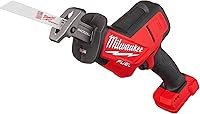
The Milwaukee M18 FUEL Sawzall has a lever-actuated blade clamp for blade changes and a built-in LED light for the work surface. It is a bare tool, so you need a compatible battery and charger.
The Makita XRJ05Z has a tool-less blade change, variable-speed trigger, and two speed ranges. It is also sold as a tool only, without a battery or charger.
Check your battery platform before choosing either saw. If you already own a compatible battery system, that may help narrow the choice.
For branch work that calls for more reach or a different blade setup, compare reciprocating saws for pruning branches. Root cuts can be dirtier and less predictable, so keep the blade path clear either way.
When should you avoid cutting a tree root?
Don't cut a root if you can't confirm it's safe to remove. Large roots, roots near the trunk, and roots that appear to support the tree deserve an arborist's assessment.
Avoid cutting when the root is still buried, tangled with utilities, or pressed against a rock or foundation. Don't use the saw to find the root by feel.
Stop if the tree shifts, the root moves unexpectedly, the blade binds, or the cut begins to close on the blade. A different tool won't fix an unsafe cut location.
Is a reciprocating saw the right tool for the job?
A reciprocating saw can be useful for an accessible root that needs a short, controlled cut, especially when a pruning blade fits the space. It is a poor choice for a root you can't expose, inspect, and support.
Use a pruning blade and steady technique for a clear cut on a root you have confirmed is safe to remove. For general uses and limits, read what a reciprocating saw is good for.
What should you remember before cutting tree roots?
Before reaching for a reciprocating saw, confirm the root can be removed, expose it fully, and check for buried utilities. Then choose a coarse pruning blade, support the root, and keep the blade clear of soil and stones.
Choose the Milwaukee or Makita saw based on the battery platform and handling features you need. Choose the EZARC blades if a long pruning blade suits the cut and your saw is compatible.
Frequently asked questions
Can a reciprocating saw cut tree roots?
Yes, a reciprocating saw can cut an exposed root with a suitable wood pruning blade. Clear dirt from the cut area, support the root, and keep the blade out of soil and stones.
For large structural roots or roots near utilities, stop and get qualified advice before cutting.
What blade should I use for cutting tree roots?
Use a coarse pruning blade designed for wood, with teeth suited to green or dry timber. A long blade can reach around a thick root, but it can flex or bind if you twist it.
Keep the blade aligned, support the root, and avoid cutting into soil.
Can cutting a tree root harm the tree?
It can. A root's size, location, tree species, and distance from the trunk all affect the risk, so there is no safe universal cut size.
Ask an arborist before cutting a large root, one close to the trunk, or one that appears to support the tree.
Can I use a reciprocating saw on a root in the ground?
Avoid cutting a root while the blade is buried in soil. Dirt and stones can damage teeth, make the blade bind, and hide utility lines or other hazards.
Expose and clean the root first, then cut only where the full blade path is clear.