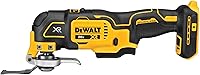
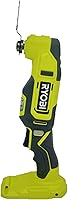
How to Cut Straight With an Oscillating Tool
To cut straight with an oscillating tool, mark the cut, brace a straightedge beside it, and move the blade slowly along it. Use a blade suited to the material and keep the shoe flat against the work.
On this page (10 sections)
- How do you cut straight with an oscillating tool?
- Which guide works for a straight cut?
- How do you keep the blade from wandering?
- Which blade should you use for a straight cut?
- How should you set up the workpiece?
- How do you make a clean cut in drywall?
- Which oscillating tool features help with control?
- When should you use a different saw?
- What should you do if the cut is not straight?
- How to cut straight with an oscillating tool: what should you choose?
To cut straight with an oscillating tool, mark the cut, clamp a straightedge as a guide, and move the blade slowly along it. Choose a blade for the material, keep the tool flat, and make shallow passes instead of forcing the cut.
An oscillating tool is useful for short cuts, notches, and flush trimming where a larger saw may not fit. For longer visible cuts, a jigsaw or circular saw can be easier to guide.
How do you cut straight with an oscillating tool?
Mark the line and guide the tool along a clamped straightedge. Support the workpiece so it cannot shift, and keep the blade square to the surface.
- Mark the cut with a pencil or a fine marker.
- Clamp the work securely, leaving room for the blade and tool body.
- Position a straightedge beside the cut line and clamp it in place.
- Fit a blade suited to the material and check that it is secure.
- Set the blade on the line, start the tool, and advance with light pressure.
- Stop before the blade reaches the end, then check the cut and finish carefully.
A guide should steady your hand without blocking the tool's movement. If the tool body or blade holder will hit the straightedge, use a different guide setup or follow a marked line freehand.
Which guide works for a straight cut?
A clamped straightedge is the simplest guide for a short, accessible cut. A square, scrap board, or purpose-made guide can help you keep the blade aligned, as long as the tool can travel beside it without binding.
For a shallow cut across a board edge, align the guide with the blade's path and clamp it firmly. For a plunge cut into a flat panel, use a square or template to position the tool before starting.
Don't assume every oscillating tool accepts a universal guide attachment. Check your tool's instructions and make sure any accessory fits the model.
For a longer straight cut in plywood or another sheet, use a saw designed to travel along a guide. Our comparison of an oscillating tool and a jigsaw explains which is easier to control for different home cuts.
How do you keep the blade from wandering?
Let the blade cut at its own pace and keep the tool from twisting. Extra force can make the blade flex, heat up, or leave the line.
Start with the blade lightly touching the material. Keep the tool's base flat where the surface allows it, and move forward in small increments.
If the blade starts to drift, stop the tool and pull it back enough to see the cut. Reset it on the marked line rather than steering hard sideways while it runs.
Clamp thin stock close to the cut to reduce vibration. For a cutout in drywall, keep the blade shallow and check what is behind the panel before cutting.
Which blade should you use for a straight cut?
Choose a blade made for the material and the cut shape. A plunge blade suits short entry cuts, while a segment blade can be easier to steer along a surface mark.
Use a wood blade for clean wood cuts, a bi-metal blade for nail-embedded wood when the blade is designed for it, and a blade labeled for metal when cutting metal. Check the blade maker's instructions for material limits and the tool's compatibility.
Can a plunge blade make a straight slot?
A plunge blade can start a straight slot when you use a marked line and a steady guide. Set the tip at the start point and lower it gradually rather than pushing the full blade into the material at once.
The DEWALT 3-Piece Oscillating Blade Set includes a PlungePoint blade for precision plunge cuts and a three-sided blade designed for drywall cutouts and rip cuts. The set's stated compatible materials include drywall and metal.
Follow the blade instructions for the material and cut type. Stop if the blade binds or the tool shifts off the line.
Does a wide blade help with a straight cut?
A wider blade can make it easier to follow a surface line, but it still needs a steady guide. Keep the blade flat and avoid turning the tool as you advance.
For a straight cut in wood or drywall, match the blade width to the cut and the space available. A blade that is too wide for a tight opening may catch the edges or make it harder to control.
Our guide to what an oscillating tool is good for covers common cut, scrape, and sanding jobs around the house.
How should you set up the workpiece?
Clamp the workpiece and clear the area behind the cut before powering on. A loose board can move, and a hidden wire or pipe can turn a small cut into a serious problem.
Mark both ends of the cut and draw the full line when possible. On a surface where pencil marks are hard to see, use painter's tape to make the line easier to follow.
Check the material for fasteners, wiring, and plumbing. For a wall or cabinet, confirm what is behind the surface before cutting, and use a non-contact voltage tester where appropriate.
Wear eye protection and follow the tool maker's safety instructions. Keep hands away from the blade path and let the blade stop before setting the tool down.
How do you make a clean cut in drywall?
Use a sharp drywall-suitable blade and cut only as deep as needed. Mark the opening, check behind the wall, and guide the tool around the outline without forcing it into the corners.
For an electrical box opening, trace the box or use a template, then verify that the opening will not interfere with a stud or wiring. The DEWALT set includes a three-sided blade described for quick drywall cutouts and a 2 1/8 in cutting width for single-gang electrical boxes.
Make a test cut in scrap drywall if the edge will be visible. Vacuum dust with a suitable setup and avoid cutting deeper than the panel thickness.
Which oscillating tool features help with control?
A variable-speed tool can help you match the pace to the material and cut. A built-in light may also help you see the line in a dim work area.
The Milwaukee 2526-20 M12 FUEL Multi-Tool has a 12-setting speed dial, a built-in LED light, and tool-less blade changes. Its stated speed range is 10,000 to 20,000 oscillations per minute.
The Milwaukee M18 Multi-Tool Kit has tool-free blade changes and a built-in LED light. Its stated speed range is 11,000 to 18,000 oscillations per minute.
Both products are tool options, not substitutes for a suitable blade or a stable guide. Compare their batteries and kit contents with the tool platform you already use.
When should you use a different saw?
Use a different saw when the cut is long, exposed, or needs a smooth continuous edge. An oscillating tool excels at access and short cuts, but a small blade can take longer to keep on a long line.
A jigsaw is often a better choice for curved or long cuts in sheet material. A circular saw with a guide can suit long straight cuts, while a handsaw may work for a simple short cut where power tools are unnecessary.
For background on tool types and their jobs, see types of reciprocating saws and multi-tools. That guide helps distinguish an oscillating multi-tool from a reciprocating saw, which uses a different blade motion and suits rougher cutting tasks.
What should you do if the cut is not straight?
Stop as soon as the cut leaves the line and reset the tool before continuing. Trying to pull a running blade back into line can widen the cut or damage the edge.
Check that the workpiece and guide are still clamped. Inspect the blade for looseness, damage, or a buildup of material, and replace it if needed.
If the cut is already too wide, don't hide the problem with extra pressure or a sideways twist. Reassess whether the opening can be covered by trim or whether a new workpiece is needed.
How to cut straight with an oscillating tool: what should you choose?
For short slots and trim cuts, choose a material-matched blade, mark the full line, and clamp a guide. Keep the work supported and advance in short, controlled passes.
Choose the Milwaukee M12 tool if its speed dial and light suit your work area, or the M18 kit if its battery platform and tool-free blade changes fit your setup. The DEWALT blade set is relevant when you need its plunge and drywall cutout blade designs.
For longer cuts, use a saw that travels more easily along a guide. If you're deciding whether this tool fits a wider range of household jobs, compare the best oscillating tools for the money.
Frequently asked questions
Can you cut a straight line with an oscillating tool?
Yes. Mark the line, clamp a straightedge beside it, and keep the blade flat as you advance in short, controlled movements.
A guide helps most with plunge cuts and short slots; for a long visible cut, a circular saw or jigsaw with a suitable guide may be easier to control.
What blade should I use for a straight cut?
Use a blade made for the material and cut shape. A straight or plunge blade can make short slots and plunge cuts, while a segment blade can follow a marked line across a surface.
Check the tool and blade instructions for compatible materials and safe use.
How do you keep an oscillating tool from wandering?
Support the work, mark the full cut, and use a clamped guide where the tool shape allows it. Start slowly, let the blade do the work, and avoid twisting or pushing sideways.
If the blade wanders, stop, reset it on the line, and continue in short passes.
Is an oscillating tool good for long straight cuts?
It can make a straight cut with a guide, but its short blade stroke makes long cuts slower and harder to keep even. For long cuts in sheet goods or lumber, a circular saw or jigsaw is usually a better fit; compare the task and cut length before choosing.