How to Change a Blade on a Milwaukee Sawzall
To change a blade on a Milwaukee Sawzall, open the lever-actuated blade clamp, pull the old blade out, and push the new blade in until it seats, teeth pointing down. Close the clamp firmly and tug the blade to confirm it's locked before you cut.
On this page (12 sections)
- How to change blade on Milwaukee Sawzall in four steps
- What you need before you start a blade change
- Which way does the blade go in a Sawzall?
- How do you seat and lock the blade correctly?
- What is different on older or keyed Sawzall models?
- How do you match the blade to the material?
- Which blades fit a Milwaukee Sawzall?
- How do you keep the clamp working between blade changes?
- Which saw makes blade changes easiest?
- How do you change a Sawzall blade safely?
- Why does a new blade slip or wobble in the clamp?
- Quick answer: how to change blade on Milwaukee Sawzall
To change a blade on a Milwaukee Sawzall, open the lever-actuated blade clamp, pull the old blade out, and push the new blade in until it seats, teeth pointing down. Close the clamp firmly and tug the blade to confirm it's locked before you cut.
The job takes less than a minute on a saw with a lever clamp. The steps below walk through the release, the blade orientation and the checks that keep a blade from slipping mid-cut.
How to change blade on Milwaukee Sawzall in four steps
Release, remove, insert, lock. That order works on the lever-actuated clamp Milwaukee uses on the M18 FUEL Sawzall.
Keep the saw switched off and the battery out while you handle the blade.
- Pull the lever up or out to open the clamp. Milwaukee calls this a wear resistant lever actuated blade clamp, and it opens by hand with no wrench.
- Pull the old blade straight out of the slot. If it sticks, wiggle it side to side rather than prying with a tool.
- Push the new blade into the slot until it stops, with the teeth pointing down toward the shoe.
- Close the lever firmly and tug the blade away from the saw. A seated blade won't move.
If the lever won't close all the way, the blade isn't seated. Pull it out and push it back in until the tang bottoms out in the clamp.
What you need before you start a blade change
You need a replacement blade, a clean clamp slot and the saw switched off. No hex key is needed on a lever-clamp Sawzall, though keyed models use a small wrench that came with the saw.
Clear a flat spot on the bench or the ground so the blade can't drop into a pile of offcuts. Take the battery out of a cordless saw, or unplug a corded one, so the trigger can't be bumped.
Have the new blade within reach. If the old blade is hot from a long cut, set it down on metal or wood rather than a rag, since a hot blade can scorch fabric.
Wipe the clamp opening with a dry cloth before fitting the new blade. Sawdust and metal chips stop the tang from seating flat, which is one reason a blade works loose.
Which way does the blade go in a Sawzall?
The blade goes in with the teeth pointing down, toward the shoe and the work. That direction puts the cutting edge against the material on the forward stroke, which is how the saw is built to cut.
Most Milwaukee blades have an arrow or printed text on the flat body to show the cutting direction. Face that marking so you can read it from the top of the saw.
What happens if the blade is upside down?
An upside-down blade still fits the clamp, so it's an easy mistake to make. The saw then cuts on the upstroke, which pushes the saw away from the material and makes the cut chatter.
Flip the blade rather than forcing the cut. The saw will feel smoother and track straighter once the teeth face down.
How do you seat and lock the blade correctly?
Push the blade in until the tang bottoms out, then close the lever until it seats fully. The blade should sit flat in the slot with no gap between the tang and the clamp.
Tug the blade firmly away from the saw after locking it. A blade that slides or rocks in the clamp will wander in the cut and can slip out under load.
If you'll be cutting overhead or in a tight space, give the blade an extra check. A blade that pulls free mid-cut is a bigger problem than a slow blade change.
What is different on older or keyed Sawzall models?
Older Sawzall models use a keyed clamp with a small wrench rather than a lever. The steps are the same, but you loosen the clamp screw, swap the blade and tighten the screw again.
Keep the wrench clipped to the saw or in its case so it's there when you need it. On these models, a loose clamp screw is the usual reason a blade rattles.
Corded and cordless Sawzalls from the same era share the clamp style, so the wrench and the blade fit either one. Check the clamp type before you buy a replacement blade with an unusual tang.
How do you match the blade to the material?
Match the tooth count to the material first, then the length to the cut. A blade with the wrong pitch for the job will cut slowly or burn through the stock.
- Fine teeth around 14 to 18 TPI suit metal, pipe and profile cuts.
- Coarse teeth around 5 to 8 TPI suit wood, demolition and nail-embedded lumber.
- A multi-material set covers both when you switch between jobs.
Our guide to which reciprocating saw blade to use breaks down tooth counts by material and cut type. Read it before you stock up on a single blade type.
The Milwaukee 12 Piece Multi Material set covers the common demolition jobs in one case. It includes 6 in and 9 in blades in 5, 8, 14 and 18 TPI, so you can go from lumber to pipe without a trip to the store.
The job site case adjusts to hold up to 9 in blades.
Which blades fit a Milwaukee Sawzall?
Any blade with a standard reciprocating saw tang fits a Milwaukee Sawzall. Milwaukee's own blades are cut to match its clamp, so they seat with no play.
The 6 in 14 TPI The Torch is a metal-cutting blade for pipe, channel and angle iron.
The Torch blades are 1 in tall for straight, fast cuts and flex in tight spots. The 14 TPI pitch suits general metal cutting, and the 5 pack keeps spares in the case.
How do you keep the clamp working between blade changes?
Clean the clamp slot and keep the lever free of grit. A clamp packed with sawdust stops the blade from seating flat, and the lever gets stiff.
Wipe the slot after dusty jobs like cutting drywall or pressure-treated lumber. Blow out the lever pivot with air or brush it clean, then work the lever a few times.
Check the blade after each long cut. A blade that has started to walk in the clamp needs to come out and go back in, not a harder squeeze on the lever.
Which saw makes blade changes easiest?
The lever-actuated clamp on the Milwaukee M18 FUEL Sawzall makes blade changes easy, because it opens by hand with no tool. That matters when you switch between wood and metal blades on one job.
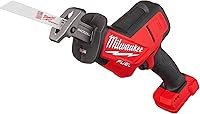
The M18 FUEL Sawzall is a bare tool, so you need an M18 battery and charger you already own. It has a wear resistant lever actuated blade clamp for fast changes and a built-in LED that lights the work surface while cutting.
The metal reinforced battery connection adds durability and battery retention over the life of the saw.
Compare it against the smaller one-handed saw in our Milwaukee Sawzall vs Hackzall breakdown. For the full lineup and clamp styles, see our roundup of the Milwaukee Sawzall saws.
If you own a DeWalt instead, our steps for how to put blade in dewalt reciprocating saw cover its keyless clamp.
How do you change a Sawzall blade safely?
Switch the saw off and remove the battery or unplug it first. The clamp holds the blade under spring tension, and a bump on the trigger with your hand at the clamp is the real risk.
Wear gloves when handling a used blade. Teeth stay sharp after the cut, and a hot blade from a long metal cut can burn your fingers.
Point the blade away from your body when you pull it out. Set used blades in a jar or a blade case rather than loose in a pocket or a toolbox.
Why does a new blade slip or wobble in the clamp?
A blade slips when the tang isn't fully seated or the clamp has grit in it. Pull the blade, wipe the slot and push it back in until it stops, then close the lever firmly.
If it still wobbles, check the blade for a bent tang or a worn mounting hole. A damaged blade won't seat flat no matter how hard you close the lever, so replace it.
A lever that won't stay closed points to a worn clamp. Stop using the saw and have the clamp checked rather than taping the lever shut.
Quick answer: how to change blade on Milwaukee Sawzall
Open the lever clamp, pull the old blade out and slide the new one in with the teeth down. Close the lever until it seats and tug the blade to confirm the lock.
That's the whole blade change on a lever-clamp Sawzall, and it takes less than a minute once you've done it a few times.
Pick the blade by material first: a fine 14 to 18 TPI blade for metal and a coarse 5 to 8 TPI blade for wood. The Milwaukee 12 Piece Multi Material set covers both, and The Torch 6 in 14 TPI handles pipe and channel.
For the saw itself, the M18 FUEL Sawzall has a tool-free lever clamp. Check the clamp type on your own saw before buying blades, since older keyed models need the wrench that came with them.
Frequently asked questions
Which way should the blade teeth face on a Sawzall?
Point the teeth down, toward the shoe and the material you're cutting. A blade installed upside down still fits the clamp but cuts on the upstroke, which chatters and walks the saw.
How tight should the blade clamp be?
Close the lever until it snaps or seats fully, then tug the blade to check it. A blade that wiggles in the clamp will wander in the cut and can slip out under load.
Can you leave a blade in the saw between jobs?
Yes, but remove it for storage in a case and wipe the clamp area clean first. Sawdust and metal chips packed in the clamp stop the blade from seating flat.
Do you need a tool to change a Sawzall blade?
No. Milwaukee's lever-actuated clamp on the M18 FUEL Sawzall opens by hand, so no hex key or screwdriver is needed.
Older keyed models use a small wrench, so keep the one that came with the saw.